 (608) 352-8688
  schedule consultation
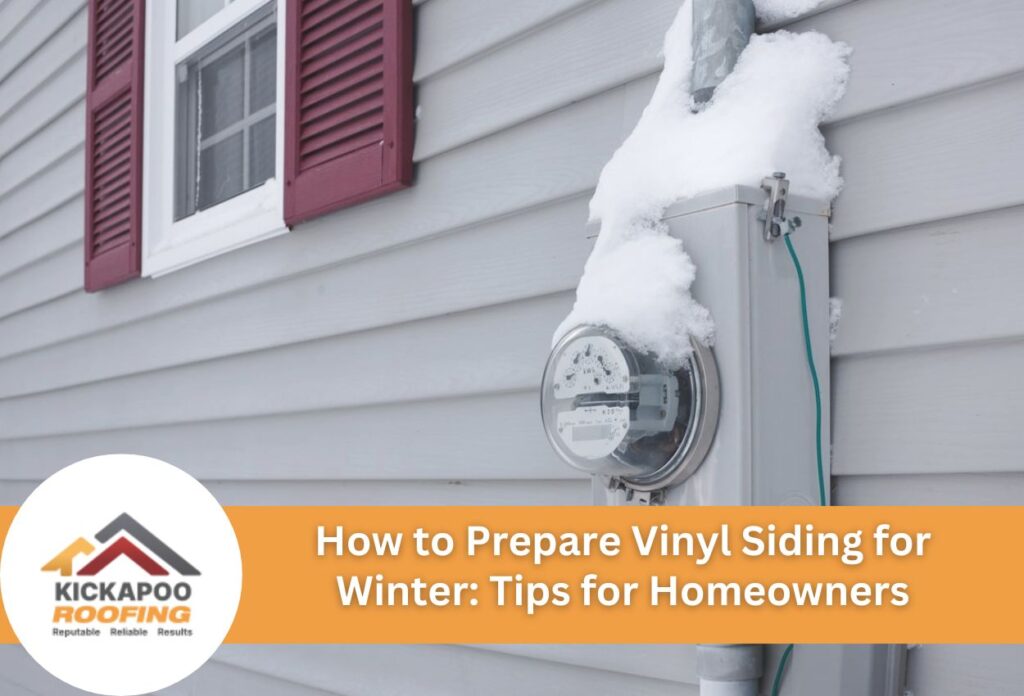
Winter weather can significantly damage vinyl siding, especially in cold climates where temperatures plummet well below freezing. Understanding how to prepare vinyl siding for winter is essential for homeowners who want to maintain their home’s exterior throughout the season.
Vinyl siding faces multiple challenges during winter that can compromise its structural integrity and protective function. Cold temperatures cause the material to contract, making it more brittle and susceptible to cracking from impact or sudden temperature changes. Ice and snow accumulation create additional stress on siding panels, while repeated freeze-thaw cycles can worsen existing minor damage.
Moisture infiltration is one of the most serious winter-related problems affecting vinyl siding. Water that seeps behind panels through gaps or cracks can freeze and expand, pushing siding away from the house and creating larger openings for future moisture problems. This cycle of damage often leads to warping, buckling, and potential structural issues that extend beyond the siding itself.
Preventing damage to vinyl siding requires proactive maintenance before cold weather arrives. Preparation protects the investment in your home’s exterior while ensuring the siding continues to provide effective weather protection throughout the winter.
Complete Fall Cleaning and Maintenance Schedule
Cleaning vinyl siding before winter begins with waiting for appropriate weather conditions. The ideal cleaning window occurs during mild autumn days with temperatures between 50 and 70 degrees Fahrenheit and low humidity levels. These conditions allow the siding to dry completely before temperatures drop, preventing moisture from becoming trapped behind panels where it could freeze and cause damage.
Start the cleaning process by rinsing the entire siding surface with a garden hose to remove loose dirt and debris. Mix a mild cleaning solution using white vinegar and water, or use a specialized vinyl siding cleaner that effectively removes mildew without chemicals. Apply the solution using a soft-bristled brush or cloth, working from bottom to top in small sections to prevent streaking.
Give extra attention to areas where mildew and dirt commonly accumulate, including north-facing walls, areas under eaves, and sections near landscaping. Scrub gently to avoid scratching the vinyl surface while ensuring all organic growth is removed.
After each section, thoroughly rinse to remove all residue from the cleaning solution and debris. Allow the siding to dry completely before cold weather arrives, as trapped moisture can cause damage. Complete the cleaning process at least two weeks before consistently cold temperatures are expected in your area.
Thorough Inspection for Cracks and Damage
Inspecting your vinyl siding panels requires attention to detail and proper lighting. Begin the assessment process during daylight hours when natural light reveals surface imperfections and subtle damage that artificial lighting might miss. Walk around the entire perimeter of the home, examining each panel from multiple angles to identify cracks, chips, loose pieces, or signs of wear that could worsen during freeze-thaw cycles.
Focus particular attention on the lower sections of siding where impact damage from lawn equipment, falling branches, or ice accumulation commonly occurs. Run your hands along panel edges to detect loose or warped sections that may not be immediately visible. Small hairline cracks often expand rapidly when water freezes inside them, transforming minor cosmetic issues into significant structural problems requiring panel replacement.
Inspecting vinyl siding for cracks is especially critical around high-stress areas where it connects to other building components. Windows, doors, and exterior corners are vulnerable locations where thermal expansion and contraction create ongoing stress on siding materials. Check the condition of trim pieces, corner posts, and J-channels that secure siding panels, as loose fasteners allow movement that can cause cracking during temperature fluctuations.
Document problem areas with photographs and prioritize repairs based on severity and location. Address any identified damage immediately, as winter weather protection depends on maintaining the integrity of the siding before harsh weather conditions arrive.
Vinyl Siding Caulking and Sealing Techniques
Proper vinyl siding caulking and sealing create a critical barrier that prevents water infiltration during winter. Water that seeps through gaps and joints is one of the primary causes of freeze-thaw damage that compromises siding integrity and leads to major repairs. Professional-grade weatherproof caulk applied around trim pieces, window frames, door surrounds, and panel joints effectively blocks moisture entry points before they become problematic during cold weather cycles.
Begin your sealing project by thoroughly cleaning all surfaces where caulk will be applied, removing deteriorated caulk, dirt, and debris that prevent proper adhesion. Use a utility knife or caulk removal tool to scrape away failed sealant, then wipe surfaces clean with a damp cloth and allow complete drying before proceeding.
Selecting appropriate sealant materials for cold weather requires understanding temperature ratings and flexibility characteristics of different caulk products. High-quality polyurethane or silicone-based sealants maintain elasticity at low temperatures while providing long-lasting adhesion to vinyl materials. Avoid 100% latex products that become brittle in freezing conditions and fail prematurely when exposed to repeated temperature changes.
Apply caulk using steady pressure and smooth, continuous beads that completely fill gaps without creating excess buildup. Focus your attention on areas where different materials meet, including siding-to-trim connections, corner joints, and penetrations for utilities or fixtures. These locations experience the greatest thermal movement and require robust sealing to stay intact throughout the harsh season ahead.
Securing Loose Panels and Hardware
Loose siding panels and compromised fasteners represent serious vulnerabilities that winter weather can quickly transform into major structural problems. Strong winds, ice, and thermal cycling place tremendous stress on siding, making tightening loose components non-negotiable before severe weather arrives. Panels that shift or move under normal conditions will likely sustain significant damage when subjected to winter storms and temperature extremes.
Begin securing loose panels by examining the fastener pattern along each panel’s mounting strip. Vinyl siding relies on properly positioned nails or screws driven through designated slots to allow thermal expansion while maintaining secure attachment. Check that fasteners remain centered in their slots with appropriate clearance for movement, as over-tightened fasteners prevent natural expansion and can cause buckling or cracking when temperatures change rapidly.
Tighten loose fasteners gradually using appropriate tools, ensuring they remain snug without creating excessive pressure against the vinyl material. Replace any missing or damaged fasteners with corrosion-resistant alternatives rated for exterior use. Stainless steel or galvanized fasteners provide long-term durability and resist the moisture exposure that commonly occurs during winter months.
While homeowners can safely handle basic fastener tightening and minor adjustments, certain situations require professional intervention. Extensive panel replacement, structural repairs, or problems affecting multiple sections of siding should be addressed by experienced contractors who understand proper installation techniques and local buildings. A professional assessment becomes particularly important when dealing with damage that could compromise the home’s weather barrier or structural integrity during harsh winter conditions.
Preventing Damage from Ice Dams and Water Issues
Ice dams create serious threats to vinyl siding systems when improper drainage and ventilation allow water to accumulate and freeze along rooflines and exterior walls. These formations develop when heat from the home melts snow on upper roof sections, causing water to flow down and refreeze at colder eaves and gutters. The resulting ice buildup can force water behind siding panels, leading to moisture damage that can affect both the siding material and underlying structural components.
Understanding how siding preparation works with gutters and drainage systems prevents ice dams that damage siding panels throughout the winter months. Clean, properly functioning gutters allow melted snow and ice to flow away from the home rather than backing up against siding surfaces. Remove all leaves, debris, and obstructions from gutters and downspouts before freezing temperatures arrive, ensuring water can move freely through the entire drainage system.
Check that gutters are sloped toward downspouts and repair any sagging sections that create low spots where water pools and freezes. Secure loose gutter brackets and replace damaged sections that could fail under ice buildup. Extend downspouts at least 5 feet from the foundation to direct water away from the home’s base, preventing ground freezing that can push frost toward siding panels.
Simple steps to ensure adequate ventilation and moisture control around siding areas minimize freeze-thaw damage throughout the winter. Proper attic ventilation reduces heat buildup that contributes to ice dam formation, while maintaining consistent exterior wall temperatures prevents condensation behind siding panels that can freeze and cause expansion damage.
Final Winter Protection Steps and Ongoing Monitoring
Final preparations ensure that your vinyl siding survives harsh winter conditions without sustaining damage that compromises its protective function. These last-minute tasks address potential hazards and vulnerabilities that could develop into serious problems during severe weather. Taking time to complete these final steps significantly reduces the likelihood of vinyl siding failures caused by winter weather.
Remove accumulated debris, fallen leaves, and organic materials from around the home’s perimeter where they could trap moisture against siding panels during winter. Rake leaves and clear plant material that has collected near the foundation, as decomposing organic matter creates acidic conditions that can stain or damage vinyl surfaces over time.
Trim vegetation, tree branches, and shrubs that grow too close to siding surfaces, maintaining at least 6 inches of clearance between plants and exterior walls. Overgrown vegetation traps moisture and prevents proper air circulation, while branches can scrape against siding during windstorms or break under ice and impact panels.
Protect vulnerable lower sections of the siding from snow accumulation by creating proper drainage channels and ensuring landscape grading directs water away from the home. Areas where snow typically drifts against walls require additional attention, as repeated freeze-thaw cycles in these locations often cause the most extensive damage to vinyl siding.
Establish a simple monitoring schedule to check your siding throughout the winter months, watching for signs of ice buildup, panel movement, or moisture infiltration that requires immediate attention.
Get Your Vinyl Siding Winter-Ready with Kickapoo Roofing
As the cold season approaches, ensuring your vinyl siding is prepared can save you from expensive repairs and maintenance headaches. Kickapoo Roofing specializes in fortifying homes against the harsh winters common in Wisconsin, Iowa, and Minnesota. Preparing your vinyl siding for winter involves a comprehensive inspection to identify any cracks or damage that could worsen with freeze-thaw cycles.
Maintaining your siding isn’t just about cleaning — it requires professional caulking and sealing to prevent moisture infiltration, which can lead to severe damage when temperatures drop. Whether it’s securing loose panels or making sure that your caulking is up to par, our experts at Kickapoo Roofing are here to help. Call us today at (608) 352-8688 to schedule a consultation and ensure your home is protected and ready to face the cold.