 (608) 352-8688
  schedule consultation
Why Your Home’s Soffit Vents Need Regular Care to Prevent Expensive Problems


Soffit vents play an important role in maintaining your home’s health, yet most homeowners barely notice these small openings tucked under their roof’s eaves. These intake vents are the foundation of your attic ventilation system, drawing fresh air into the attic space while exhaust vents at the roof’s peak allow hot, humid air to escape. This continuous air circulation keeps your home comfortable and protects against serious structural damage.
When soffit vent maintenance gets overlooked, problems develop quickly. Blocked soffit vents prevent proper airflow, creating a chain reaction of issues that affect your entire home. Without the right type of ventilation, moisture becomes trapped in the attic, leading to mold growth, wood rot, and insulation damage.
Knowing how roof vent maintenance impacts your home’s overall performance can help you save significant money over time. Regular soffit vent inspection can reveal ventilation issues and other common roof problems before they escalate into expensive repairs. Simple preventive care keeps air moving freely through your attic, protecting your investment and ensuring your family’s comfort year-round.
Signs That Your Soffit Vents Need Attention
Recognizing the early warning signs of soffit vent issues can prevent extensive damage to your home. Several visual indicators from ground level are signs of blocked or damaged soffit vents that require immediate attention.
Exterior warning signs include visible discoloration around soffit areas, which often appears as dark stains or streaks indicating moisture buildup. Sagging soffit panels suggest water damage has compromised the material’s structural integrity. Debris accumulation, such as leaves, bird nests, or insulation visible through the vent openings, is also a clear indicator of blocked soffit vents that require cleaning or repair.
Indoor symptoms also reveal ventilation system issues. Excessive humidity levels throughout the house, particularly in upper floors, are signs of poor attic air circulation. Temperature fluctuations between rooms or floors mean that the ventilation system cannot maintain consistent airflow. This, along with unexplained increases in energy bills often result from heating and cooling systems working harder due to compromised roof vent maintenance.
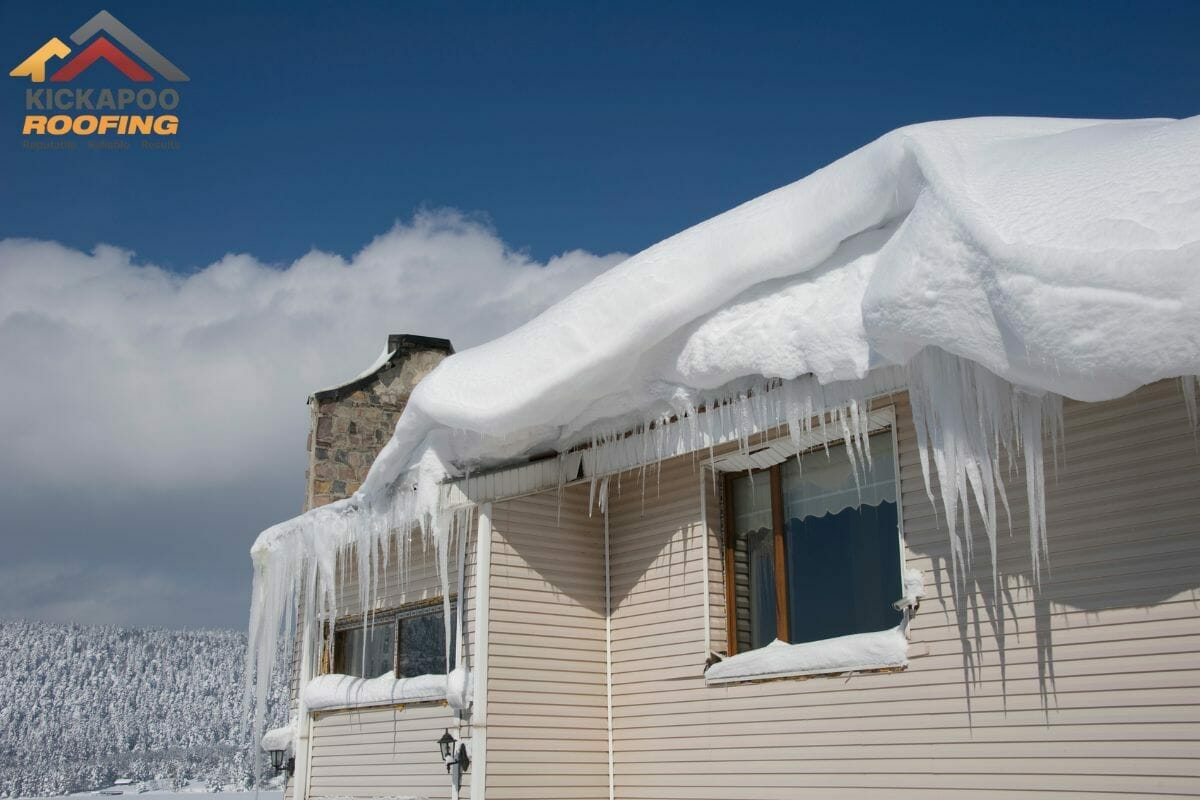
Additional warning signs include ice dam formation during winter and musty odors in the attic. Paint peeling on exterior soffits or interior ceiling areas near the roofline also indicates moisture problems stemming from inadequate ventilation.
Essential Tools and Safety Preparation for Soffit Vent Care
Proper soffit vent maintenance requires specific equipment to ensure thorough cleaning and safe access to these elevated areas. Basic tools for effective soffit vent inspection include a sturdy extension ladder rated for your weight, along with the equipment you’ll be carrying, soft-bristled brushes for gentle debris removal, and a shop vacuum with extension attachments. Additional safety equipment includes work gloves, safety glasses, and a flashlight or headlamp for examining the vent openings clearly.
For cleaning blocked soffit vents, homeowners need compressed air canisters or a leaf blower to dislodge stubborn debris from vent openings. A garden hose with an adjustable nozzle helps rinse away accumulated dirt and grime from the soffit ventilation system, though you need to be careful not to spray water into your attic. You may also need small hand tools like screwdrivers to remove vent covers during thorough cleaning sessions.
Safety considerations become important when accessing elevated areas for roof vent maintenance. Weather conditions significantly impact safety risks, particularly during wet, icy, or windy conditions common in the upper Midwest. Professional assistance should be considered for homes exceeding two stories, properties with steep roof pitches, or situations involving structural damage to soffit areas.
Homeowners should avoid attempting soffit vent inspection during bad weather or when they’re lacking the proper safety equipment. Professional roofing contractors possess specialized ladders, safety harnesses, and experience navigating challenging roof configurations safely.
How to Clean and Clear Blocked Soffit Vents
Effective soffit vent maintenance begins with careful removal of surface debris from vent openings. Start by positioning the ladder securely and examining each vent for accumulated leaves, dirt, and other obstructions. Use a soft-bristled brush to gently sweep away loose material from perforated metal or vinyl vent covers. For continuous strip vents, work along the entire soffit length.
Aluminum and steel vents can withstand more aggressive cleaning techniques, while vinyl soffit vents need gentler handling to avoid cracking. Use compressed air to blow out debris from small perforations, working from inside the vent outward to prevent pushing material deeper into the attic air circulation system. A shop vacuum with a brush attachment effectively removes stubborn dirt and debris without damaging the vents.
Other obstacles could be stopping your vents from working properly, and each issue requires a specific technique to remove:
- Paint buildup commonly affects older soffit vents. Carefully scrape away paint that blocks vent openings using a small putty knife, taking care not to damage the underlying material.
- Insect nests and seasonal blockages from ice or snow require specific removal techniques.
Professional roof vent maintenance may be necessary when blockages involve structural modifications or extensive paint removal that affects the soffit vent inspection process.
How to Inspect Your Entire Soffit Ventilation System for Damage
A thorough soffit vent inspection requires a systematic approach to identify damage that compromises ventilation effectiveness. Begin the examination at one corner of the home and work methodically around the entire structure, checking each vent opening for visible problems. Look for cracks in the soffit material itself, which can develop from weather exposure, settling, or impact damage. These structural issues often appear as hairline fractures that gradually expand, allowing water to get in while reducing proper attic air circulation.
Examine vent screens carefully for damage or displacement, as loose screens allow pests and debris to enter the soffit ventilation system. Bent or missing screen sections create entry points for birds, insects, and small animals that can build nests and block airflow pathways. Check mounting hardware for rust, corrosion, or looseness that indicates the need for a replacement. Metal components exposed to moisture cycles commonly develop oxidation that weakens their structural integrity over time.
From inside the attic, locate each soffit vent opening and confirm a clear passage for exterior air to come into the attic. Insulation often shifts over time, blocking vent openings and requiring repositioning to restore proper roof vent maintenance function. Missing or damaged soffit panels create gaps that disrupt the controlled airflow pattern essential for effective ventilation system operation throughout the home.
A Seasonal Maintenance Schedule to Keep Your Roof Vents Working Year-Round
Establishing a consistent maintenance schedule for your soffit ventilation system prevents problems before they compromise your home’s protection. Spring maintenance focuses on addressing winter damage and preparing for increased moisture levels from seasonal temperature changes. Begin with an inspection of the vents to identify damage caused by ice, displaced screens, or accumulated debris from winter storms. Clean blocked soffit vents thoroughly, removing leaves and other material that became stuck over winter.
Fall preparations concentrate on protecting your attic air circulation system from harsh winter conditions. Remove all organic debris that could freeze and expand, potentially damaging vent components. Check for loose soffit panels or screens that winter winds might dislodge. Ensure proper insulation placement near vent openings, as shifted insulation blocks airflow and creates the perfect conditions for ice dams during freeze-thaw cycles.
Monthly checks maintain the best possible performance between seasonal maintenance sessions. Walk around your home’s perimeter, looking for obvious blockages or damage visible from the ground level. Annual deep cleaning involves removing vent covers for thorough interior cleaning and checking mounting hardware for deterioration.
Professional evaluation every few years ensures your soffit vent maintenance routine addresses all potential issues. Experienced contractors identify structural problems that homeowners might overlook and recommend system improvements for enhanced performance and longevity.
Protecting Your Investment with Professional Roof Vent Maintenance Services
While many soffit vent maintenance tasks can be handled by diligent homeowners, certain situations require the expertise of professional contractors. Complex repairs involving structural damage to soffit panels, extensive blockages caused by animals, or ventilation system modifications that exceed the size of routine maintenance. Professional contractors possess specialized equipment and experience necessary for roofing system evaluations that identify interconnected ventilation problems affecting overall attic air circulation.
Homes with steep roof pitches, multi-story configurations, or architectural complexities present safety challenges that make professional intervention essential. When blocked soffit vents result from construction defects or require coordination with exhaust vent repairs, contractor expertise ensures proper system balance. Professional soffit vent inspections often reveal underlying issues such as inadequate vent sizing, improper installation, or ventilation pathway obstructions that impact the long-term performance of your roof.
Professional contractors can coordinate ventilation maintenance with other residential roofing services, including gutter system care and structural inspections that address multiple parts of the roof at once. This holistic approach prevents isolated problems from affecting other systems while maximizing the lifespan of your soffit ventilation system.
Preventive roof vent maintenance programs offered by experienced contractors can provide scheduled inspections, cleaning services, and early problem detection that saves significant money over time. Professional maintenance ensures that attic air circulation is working as intended while identifying potential issues before they require expensive emergency repairs or complete system replacements.
Ensure Your Home’s Safety and Efficiency with Kickapoo Roofing’s Soffit Vent Services
If you’ve noticed any signs of blocked or damaged soffit vents, such as discoloration, sagging, or unexpected spikes in your energy bills, it’s important to act quickly to avoid more significant and expensive issues down the lisne.
At Kickapoo Roofing, we understand the important role that soffit vents play in your home’s ventilation system. Our team of experts is equipped to handle all aspects of soffit vent repair replacement, and installation, ensuring that your home remains safe, comfortable, and energy-efficient throughout the year.
Give us a call today at (608) 352-8688 to schedule a professional soffit vent inspection and service. Protect your investment with Kickapoo Roofing, where your home’s safety and efficiency are our top priorities.