 (608) 352-8688
  schedule consultation
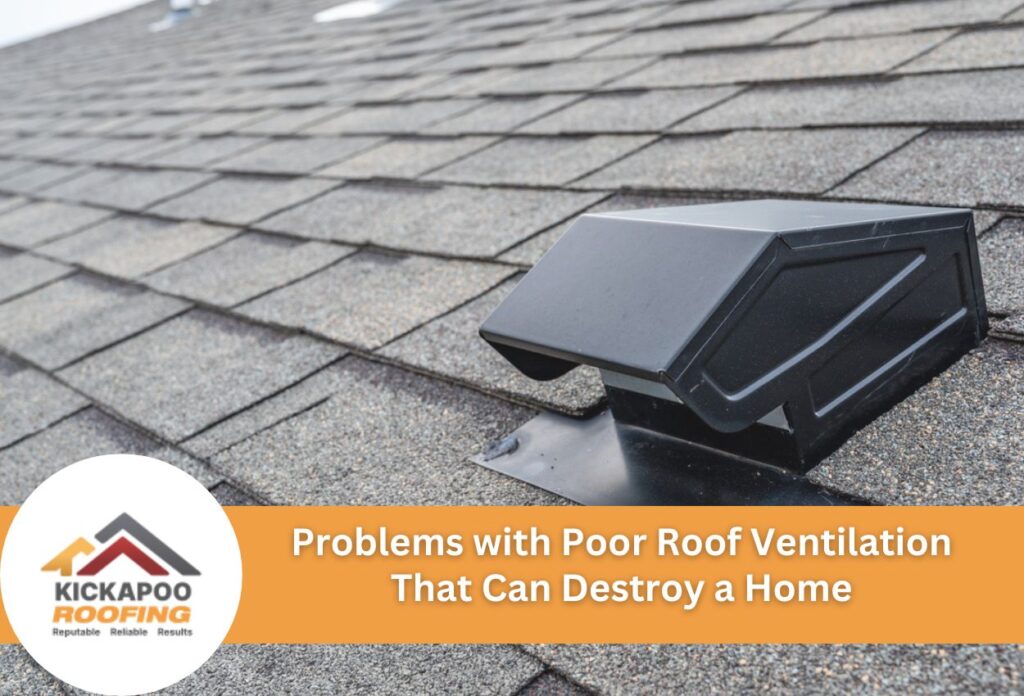

Problems with poor roof ventilation create a silent threat that many homeowners never see coming. While most people focus on obvious roofing issues like missing shingles or visible leaks, inadequate attic ventilation works behind the scenes to cause extensive damage that can compromise an entire home’s structural integrity.
Proper air circulation in attic spaces serves as a critical defense system against moisture buildup, temperature extremes, and energy inefficiency. When roof ventilation issues go unaddressed, they trigger a cascade of problems that affect everything from wooden structural components to insulation effectiveness. The consequences of poor roof airflow go beyond the attic itself, creating conditions that promote mold growth, ice dam formation, and the premature deterioration of roofing materials.
Many homeowners remain unaware of these improper roof ventilation effects until significant damage has already occurred. Signs of roof ventilation problems often show up as unexplained increases in energy bills, uncomfortable indoor temperatures, or mysterious moisture issues throughout the house. Understanding how inadequate attic ventilation operates helps property owners recognize warning signals before expensive repairs become necessary. The invisible nature of ventilation problems makes them particularly dangerous, as damage accumulates gradually while remaining hidden from plain sight.
Warning Signs Your Roof Cannot Breathe Properly
Identifying signs of roof ventilation problems requires attention to both indoor and outdoor indicators that reveal inadequate attic ventilation. Inside the home, condensation frequently appears on windows, walls, or ceilings, particularly during temperature changes. Musty odors emanating from upper floors or attic access points signal trapped moisture from poor roof airflow. Homeowners may also notice significant temperature fluctuations between rooms or floors, indicating that the effects of an improperly ventilated roof are disrupting normal air circulation patterns.
External warning signs on the roof itself provide clear evidence of roof ventilation issues. Ice dams forming along roof edges during winter demonstrate that warm air cannot escape properly, creating dangerous melting and refreezing cycles. Damaged or prematurely aging shingles often result from excessive heat buildup caused by the consequences of poor roof airflow. Homeowners with asphalt shingle roofing should understand how prolonged heat exposure and inadequate attic ventilation can contribute to premature shingle deterioration. Unusual wear patterns, including curling, cracking, or granule loss concentrated in specific areas of the roof, reveal where inadequate attic ventilation creates hot spots.
Additional exterior indicators include excessive snow melting in patches across the roof’s surface, visible moisture stains on soffits or fascia boards, and peeling paint around roof edges. These problems with poor roof ventilation add up over time, making early detection important for preventing extensive structural damage and expensive repairs.
The Moisture Trap That Rots Your Home From Within
Trapped humidity from inadequate attic ventilation creates a destructive environment that silently compromises structural integrity throughout the home. When warm, moisture-laden air cannot escape properly through roof ventilation systems, it condenses against cooler surfaces in the attic space. This persistent moisture exposure leads to wood rot in rafters, decking, and framing members, weakening the fundamental support structure of the entire house.
Problems with poor roof ventilation become particularly severe during cold Midwest winters when temperature differentials between heated indoor spaces and frigid outdoor conditions create ideal condensation scenarios. The consequences of poor roof airflow manifest as water droplets forming on metal fasteners, insulation, and wooden components. This constant moisture exposure provides perfect breeding conditions for mold and mildew growth, which spreads rapidly through organic building materials.
Roof ventilation issues add to the problem by preventing natural air circulation that would normally carry excess humidity away from vulnerable areas. Signs of roof ventilation problems include discolored insulation, musty odors, and visible mold growth on attic surfaces. The improper roof ventilation effects extend beyond the attic as moisture travels through wall cavities and ceiling spaces, potentially affecting living areas below. This hidden damage often remains undetected until extensive structural deterioration requires expensive repairs or the complete replacement of affected building components.
Energy Bills That Climb While Comfort Disappears
Poor roof ventilation forces heating and cooling systems to work significantly harder than necessary, creating an expensive cycle of energy waste that drives up monthly utility bills. When inadequate attic ventilation prevents hot air from escaping during summer months, trapped heat radiates down into living spaces, forcing air conditioning units to run continuously to maintain comfortable temperatures. This excessive workload not only increases energy consumption but also accelerates wear on HVAC equipment, leading to premature breakdowns and expensive repairs.
The consequences of poor roof airflow become equally problematic during winter when improper ventilation disrupts the natural temperature balance in attic spaces. Without proper air circulation, heated air from the home rises into the attic and becomes trapped, creating ice dams and forcing heating systems to compensate for lost warmth. Signs of roof ventilation problems include dramatically uneven room temperatures, with some areas becoming uncomfortably hot while others remain persistently cold despite thermostat settings.
Roof ventilation issues create particular challenges in rooms directly below problematic attic areas, where occupants experience sweltering conditions in summer and drafty, cold spaces in winter. These effects of an improperly ventilated roof make it nearly impossible to maintain consistent comfort levels throughout the home, regardless of how much homeowners spend on heating and cooling costs.
Ice Dams and Weather-Related Destruction
Ice dam formation represents one of the most destructive consequences of poor roof airflow, creating dangerous conditions that can tear gutters from homes and cause extensive water damage. When inadequate attic ventilation allows warm air to accumulate in roof spaces, it creates uneven heating patterns that melt snow inconsistently across the roof surface. This melted water flows down toward colder roof edges where it refreezes, forming thick ice barriers that prevent proper drainage.
These ice formations grow progressively larger as the melting and refreezing cycle continues, creating tremendous weight that gutters and roof edges cannot support. The effects of an improperly ventilated roof become evident when gutters pull away from fascia boards or when ice dams force water to back up under shingles, causing leaks that get into wall cavities and interior spaces. Problems with poor roof ventilation during harsh winter weather conditions, common throughout the upper Midwest, create perfect scenarios for severe ice dam development.
Roof ventilation issues prevent the natural temperature regulation that keeps roof surfaces consistently cold during winter, eliminating the conditions necessary for ice dam formation. Signs of roof ventilation problems include icicles forming along roof edges, water stains appearing on exterior walls, and interior leaks developing during winter thaw periods. Proper ventilation systems maintain uniform roof temperatures that allow snow to remain stable or melt evenly, preventing the dangerous ice accumulations that cause thousands of dollars in weather-related damage each winter season.
Shortcuts That Lead to Expensive Repairs
Construction and renovation shortcuts create the most expensive roof ventilation issues homeowners face, turning what should be simple maintenance into major structural repair projects. During initial construction or home improvement projects, contractors sometimes reduce ventilation installations to save time or cut material costs. These decisions create inadequate attic ventilation that may not cause immediate problems but gradually develops into serious structural damage over several years.
Common mistakes include installing insufficient intake or exhaust vents, blocking existing ventilation with insulation or storage, or failing to balance air circulation throughout the attic space. Problems with poor roof ventilation often stem from renovations where contractors add insulation without upgrading ventilation systems to accommodate the changed airflow requirements. The consequences of poor roof airflow add up when homeowners unknowingly block soffit vents with stored items or when debris accumulates in exhaust vents without regular cleaning.
Signs of roof ventilation problems from construction shortcuts include uneven temperatures in different areas of the home, mysterious moisture issues that appear months or years after renovation work, and premature deterioration of recently installed roofing materials. These effects of an improperly ventilated roof transform minor maintenance needs into expensive structural repairs because blocked or insufficient vents allow small issues like minor leaks or temperature fluctuations to develop into major problems requiring extensive reconstruction work.
Solutions That Restore Your Roof’s Ability to Breathe
Restoring proper airflow requires professional assessment techniques that accurately identify the root causes of inadequate attic ventilation. Homeowners in Onalaska, WI, can schedule a professional roof inspection to evaluate their roofing system and identify potential moisture, ventilation, or structural concerns. Experienced roofing contractors use specialized tools, including thermal imaging cameras, moisture meters, and airflow measurement devices, to pinpoint exactly where roof ventilation issues originate. These diagnostic methods reveal blocked intake vents, insufficient exhaust systems, or structural barriers that prevent natural air circulation patterns from functioning effectively.
Professional evaluation goes beyond simply counting existing vents to determine whether the ventilation system creates a proper balance between intake and exhaust airflow. Contractors calculate the specific ventilation requirements based on attic square footage, roof pitch, and local climate conditions to ensure adequate air exchange rates. This approach identifies both obvious problems with poor roof ventilation and subtle issues that contribute to improper roof ventilation effects.
Effective repair and improvement options range from simple vent cleaning and debris removal to complete ventilation system upgrades that address the consequences of poor roof airflow. Solutions may include installing additional ridge vents, upgrading soffit ventilation, or adding powered exhaust fans in areas where natural convection cannot provide sufficient air movement. These corrective measures work together to eliminate the signs of roof ventilation problems while creating sustainable airflow patterns that protect against future moisture damage, energy waste, and structural deterioration.
Revitalize Your Home with Kickapoo Roofing
If you’ve noticed any of the warning signs of poor roof ventilation described above, it’s important to act quickly to prevent more damage. Problems with poor roof ventilation can lead to escalated energy costs, discomfort in your own home during extreme temperatures, and significant structural damage. Don’t let inadequate attic ventilation compromise the safety and comfort of your living environment.
Kickapoo Roofing is here to help. We specialize in identifying and resolving roof ventilation issues, ensuring your home is protected from the moisture, rot, and inefficiencies that poor airflow can cause. Call us today at (608) 352-8688 to schedule a professional assessment and discover the best solutions to restore your roof’s health and efficiency.