 (608) 352-8688
  schedule consultation
Best Roofing Materials for Hotels: Durable and Energy-Efficient Options
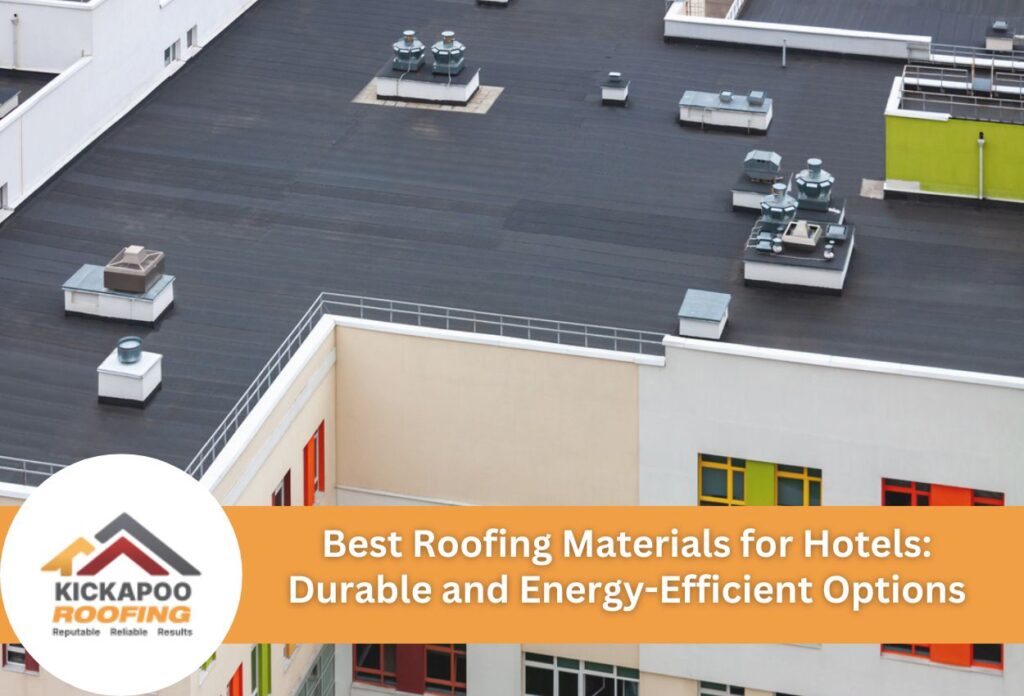

Hotel roofing systems have needs that go beyond what typical residential or even standard commercial buildings encounter. Between constant foot traffic from maintenance crews, the weight of multiple HVAC units, and the absolute necessity of protecting guests from weather disruptions, hotel roofs must deliver unwavering performance year after year. A single leak or structural failure can quickly turn into guest complaints, emergency relocations, and damage to a property’s reputation.
Selecting the best roofing materials for hotels requires understanding how different systems respond to these unique pressures. Commercial roofing systems for hotels must balance immediate installation considerations with decades of expected service life. The right choice affects everything from monthly energy bills to the frequency of scheduled repairs. Energy-efficient roofing can significantly reduce operational costs while keeping guest rooms comfortable in both summer heat and winter cold.
Hotel owners and property managers typically work with flat roofing materials for hotels, as most hospitality buildings feature low-slope or flat roof designs. These surfaces accommodate rooftop equipment while providing the durability needed for regular inspections and maintenance access.
Commercial Roofing Systems That Deliver Long-Term Performance
TPO has become one of the most popular hotel commercial roofs due to its heat-reflective properties and resistance to ultraviolet radiation. This single-ply membrane can be installed relatively quickly and offers excellent puncture resistance, making it suitable for hotel roofs that support multiple HVAC units and regular maintenance traffic. EPDM provides another proven choice among durable hotel roofing options, with a rubber composition that withstands extreme temperature fluctuations and maintains flexibility in cold climates. Modified bitumen systems combine the reliability of traditional built-up roofing with modern polymer technology, creating multiple layers of protection that work well for hotels requiring extra durability against foot traffic and equipment weight.
Metal roofing systems offer exceptional longevity for hotel properties willing to invest in premium protection. Standing seam metal roofs feature interlocking panels that shed water effectively while providing superior wind resistance, making them ideal for hotels in areas experiencing severe weather. Architectural metal panels deliver both performance and visual appeal, with profiles that complement a wide variety of architectural styles. These metal systems can last 50 years or more with minimal maintenance, representing some of the most reliable hotel roof replacement solutions available.
Energy Efficiency Features That Reduce Operating Expenses
Cool roof technology represents one of the most effective ways hotels can lower air conditioning costs during seasons that are particularly busy. These specialized roofing systems incorporate highly reflective materials that deflect solar radiation rather than absorbing it into the building structure. White TPO membranes and light-colored metal panels can reflect up to 85% of sunlight, significantly reducing the heat transferred into guest rooms and common areas below. Hotels implementing energy-efficient roofing for hospitality applications often see measurable decreases in cooling needs, which directly translates to lower utility bills during the summer when air conditioning systems work hardest. The temperature difference between conventional dark roofing and reflective cool roof surfaces can exceed 50 degrees Fahrenheit on hot days, providing substantial relief to HVAC systems while maintaining comfortable interior conditions for guests.
Proper insulation works hand-in-hand with reflective roofing materials to maximize energy savings across hotel properties. Commercial roofing systems for hotels should meet or exceed R-value requirements specified in building codes for the climate zone where the property operates. Polyisocyanurate insulation boards offer excellent thermal resistance per inch of thickness and integrate seamlessly with flat roof materials for hotels. Tapered insulation systems provide the added benefit of directing water toward drains while delivering consistent thermal performance throughout the roof assembly. Hotels planning roof replacement solutions should evaluate insulation upgrades as part of the project, as enhanced thermal barriers reduce both heating and cooling expenses while extending the service life of roofing membranes by minimizing thermal cycling stress.
Weather Resistance and Durability for Midwest Hotel Properties
Hotels throughout Wisconsin, Iowa, and Minnesota face some of the nation’s most challenging weather conditions, requiring roofing systems engineered to withstand extreme seasonal variations. The best roofing materials for hotels in these regions must handle heavy snow accumulation that can add thousands of pounds of weight to roofs during the winter. Commercial roofing systems for hotels need adequate snow load capacity based on local building codes, with structural considerations that account for drifting patterns around rooftop equipment and parapet walls. Ice dam prevention becomes important when selecting durable hotel roofing options, as these formations can force water underneath roofing materials and into guest room ceilings. Proper insulation and ventilation design help maintain consistent roof surface temperatures that prevent the freeze-thaw cycles responsible for ice dam formation and membrane degradation.
Wind resistance ratings take on heightened importance for hotels exposed to severe thunderstorms and occasional tornado activity throughout the Midwest. Modern flat roof materials for hotels include attachment systems specifically engineered to resist uplift forces during high-wind, with testing standards that verify performance under extreme conditions. TPO and EPDM membranes can achieve wind ratings exceeding 200 miles per hour when properly installed with appropriate fastening patterns and edge securement details. Metal roofing systems offer inherent wind resistance through interlocking panel designs that distribute forces across the entire roof assembly. Hotels investing in a roof replacement with enhanced wind resistance minimize the risk of storm damage that leads to business interruption, emergency repairs, and insurance claims that can affect future coverage availability and premiums.
Maintenance Requirements That Protect Your Investment
Establishing preventive maintenance schedules represents the most effective approach to maximizing the lifespan of commercial roofing systems. Inspections done twice a year allow roofing professionals to identify minor issues before they develop into problems requiring extensive repairs or emergency intervention. These scheduled evaluations should occur in spring and fall, examining membrane surfaces for punctures or tears, checking all gap seals around HVAC equipment and plumbing vents, and verifying that drainage systems remain clear of debris. Regular maintenance protocols for durable hotel roofing include removing accumulated dirt and organic matter that can degrade roofing materials over time, inspecting all flashing details at walls and curbs, and documenting any areas showing wear patterns that warrant monitoring. Hotels operating in Wisconsin, Iowa, and Minnesota should schedule additional inspections following severe weather, as high winds and hail can compromise even the most robust flat roof materials for hotels without creating damage that is immediately visible.
Professional documentation during each inspection creates a valuable maintenance history that helps property managers make informed decisions about repair timing and eventual replacement planning. Thermal imaging surveys can detect leaks within roof assemblies before leaks become apparent inside the building, allowing targeted repairs that address only affected sections rather than necessitating premature full replacement. Energy-efficient roofing for hospitality use benefits from regular maintenance, as accumulated dirt on reflective surfaces reduces their ability to deflect solar heat. Understanding when repairs remain cost-effective vs. when a hotel roof replacement becomes the wiser investment requires an objective assessment of remaining service life, frequency of recurring problems, and how well the existing system meets current performance expectations for guest protection and operational efficiency.
Protect Your Hotel with Kickapoo Roofing’s Expert Solutions
Choosing the right roofing material is important for the safety, comfort, and satisfaction of your guests, as well as for the longevity and financial efficiency of your property. At Kickapoo Roofing, we understand the unique challenges that hotel properties face, from harsh Midwest weather conditions to high operational demands. Our team of experts specializes in installing durable and energy-efficient roofing systems, including TPO, EPDM, and specially treated metal options that are ideal for the diverse climates of Wisconsin, Iowa, and Minnesota.
Don’t let your hotel suffer from inadequate roofing. Ensure maximum protection and performance with our top-quality materials and skilled installation. Ready to enhance your hotel’s roofing system? Call Kickapoo Roofing today at (608) 352-8688 to discuss your options and schedule a consultation. Let us help you make a smart investment in your property’s future.