Central Midwest Expert Roofer

Hail Damage Roof Repair in Onalaska, WI

5.0 Stars - Based on 333 User Reviews

Onalaska sits right in the path of the kind of spring and summer thunderstorms that roll through western Wisconsin with little warning. Hail comes down hard, and asphalt shingle roofs take the brunt of it. What makes this tricky is that the damage isn't always obvious from the ground. Granules get knocked loose, shingle tabs crack or bruise, and flashing around vents and chimneys takes hits that are easy to overlook. Once temperatures start swinging between warm days and cold nights, those weakened spots don't hold up the way they should, and what started as storm impact quietly becomes a leak problem.

That's where professional hail damage roof repair makes a real difference. A thorough inspection looks beyond the shingles themselves, checking gutters, downspouts, and flashing for secondary signs of impact that point to a bigger picture of storm exposure. Granule buildup in your gutters, for example, is often one of the clearest signals that your roof absorbed more than it looked like from the street. Kickapoo Roofing works with Onalaska homeowners to identify exactly what the storm did and get the roof back to doing its job, protecting your home before the next round of weather moves in.

How Hail Damage Roof Repair Works in Onalaska, WI

Storm damage can feel uncertain until the repair process is clearly laid out. Here is how Kickapoo Roofing handles hail damage roof repair from start to finish.

  • Step 1: Full Roof Inspection
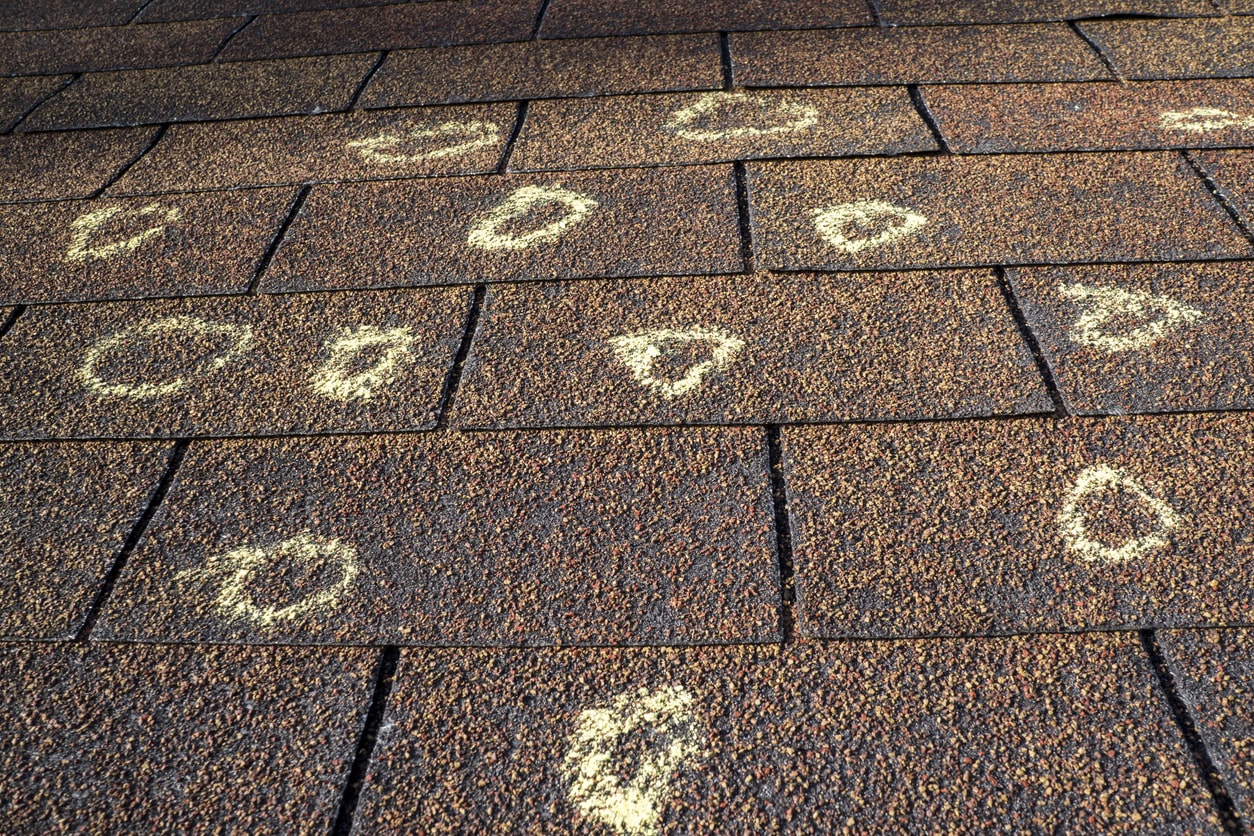
    We begin by inspecting all exterior components affected by the storm, including shingles, flashing, gutters, downspouts, and other exposed surfaces. The evaluation focuses on identifying bruising, cracking, granule loss, and less obvious impact damage that may not be visible from the ground. This creates a complete understanding of how the storm affected the roofing system.
  • Step 2: Damage Review and Repair Guidance
    After the inspection is completed, the findings are explained in clear, direct language. You are shown which areas were affected, which sections remain in good condition, and what risks may exist if repairs are delayed. When the roof still has a strong remaining service life, and damage is limited, that is communicated plainly.
  • Step 3: Detailed Repair Scale and Estimate
    A written scale of work is prepared based strictly on the observed condition of the roof. The estimate reflects only necessary repairs, with no added or unrelated work. The goal is a clear, accurate breakdown of what the project involves before any work begins.
  • Step 4: Hail Damage Repair Work
    The crew completes the repair by replacing damaged shingles, addressing flashing issues, and sealing any areas where the storm created potential entry points for water. Most hail damage repairs are completed within a single day, depending on the extent of the work required.
  • Step 5: Final Repair Verification
    Once the work is finished, the completed repairs are reviewed to confirm everything has been properly addressed. A walkthrough is performed to show what was repaired and to confirm the roof is secure and ready for future weather conditions.

What Hail Actually Does to Roofs in Onalaska, WI

Hail damage on asphalt shingles is not always dramatic, and that is exactly what makes it easy to underestimate. The real concern is what happens over time after impact, especially as Onalaska moves through its seasonal temperature changes and another round of spring storms rolls in.

Type of Damage What It Looks Like Why It Matters
Granule loss Bare or thinning spots on the shingle surface, and granules collecting in gutters Exposes the asphalt layer to UV and moisture, shortening shingle life
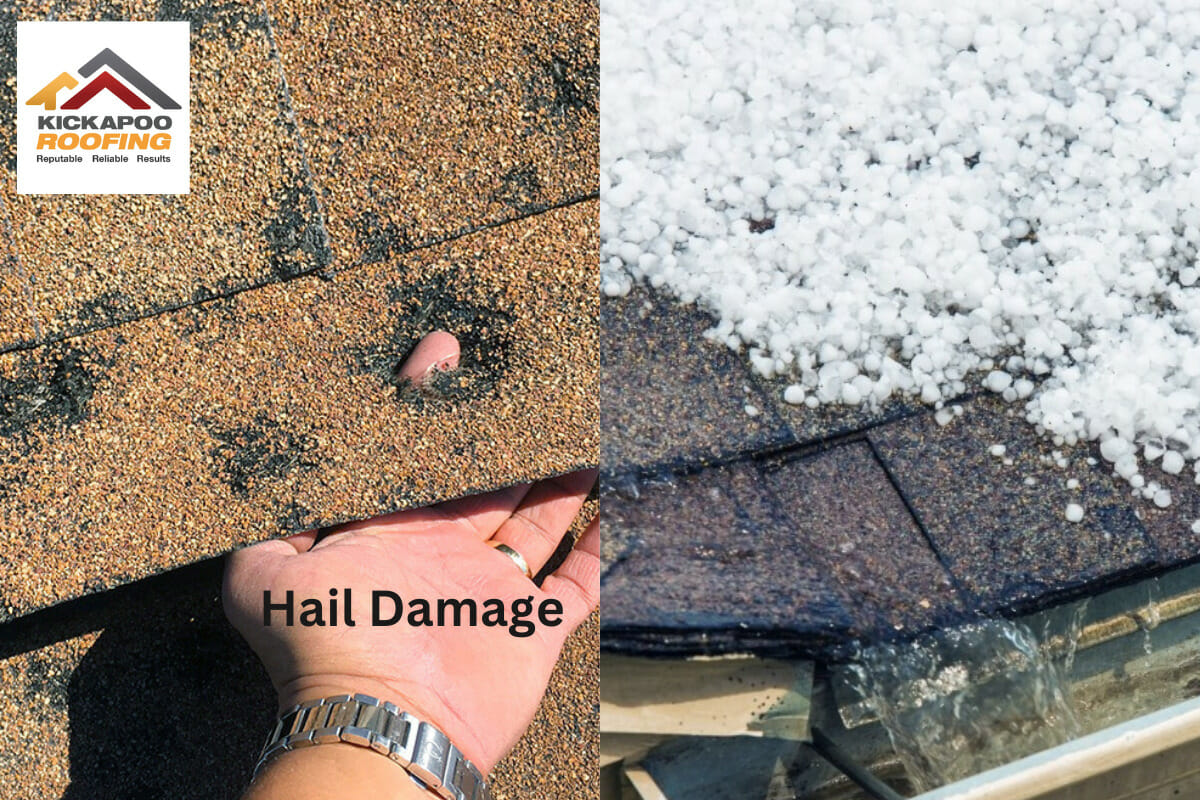
Soft bruising Indentations on shingle tabs that feel spongy when pressed Weakens the shingle structure without cracking it visibly
Cracked or broken tabs Splits or fractures across the shingle face Creates openings where water can reach the underlayment
Flashing damage Dented or lifted metal around vents, chimneys, and roof edges Breaks the seal at important transition points, allowing leaks
Gutter and downspout denting Visible impact marks along gutter runs Confirms storm intensity and signals the roof absorbed significant force

Catching these issues early matters most in the weeks right after storm season, when the evidence is still visible, and repairs can be targeted before temperature changes push existing weaknesses into full leaks.

Shingle Replacement with Matched Materials

When damaged shingles are replaced, matching the weight, texture, and color of your existing roof matters more than most homeowners expect. A mismatched repair can leave your roof looking patched and may affect how well the repaired sections shed water alongside the surrounding shingles.

Flashing Resealing Around Important Roof Gaps

Vents, chimneys, and roof edges are sealed with flashing that takes direct hits during hailstorms, and a bent or lifted edge is enough to let water in at the worst possible spot. Resealing or replacing flashing at these transition points restores the watertight barrier where the roof is most vulnerable to leaks.

Underlayment Check at Open Roof Stages

When shingles are removed during repair, it gives us a direct look at the underlayment beneath them, which can absorb impact stress that never shows up on the surface. If the underlayment is compromised, addressing it while the roof is open protects your home from leaks that would otherwise go undetected until water shows up inside.

Gutter Clearing of Post-Storm Granule Buildup

Hail knocks loose significant amounts of granule material that settles into your gutters and can restrict water flow off the roof. Clearing that debris as part of the repair process helps your gutters do their job through the rest of storm season and into winter when water management around your roofline really counts.

Get Hail Damage Repaired Right in Onalaska, WI

Western Wisconsin storms don't give much notice, and the damage they leave behind doesn't always wait for a convenient time to become a problem. Roofs that absorbed hail impact during spring and summer are under added stress as temperatures shift and the next round of storms builds. Getting the repair done before those conditions get worse is one of the most practical things you can do to protect your home and avoid the kind of damage that turns a straightforward fix into something much larger.

Kickapoo Roofing serves homeowners in the Onalaska area and is ready to take a look at your roof and give you a clear picture of where things stand. If there's damage worth repairing, we'll explain exactly what needs to be done and handle it without overcomplicating the process. Reach out whenever you're ready to get started.

Frequently Asked Questions

Got questions about your roof? We’ve got answers. From maintenance tips to insurance claims and repair timelines, our FAQ section covers the most common concerns homeowners have. Get informed and make confident decisions about protecting your home.

Does hail have to be large to cause real damage to my roof?

Not at all. Even smaller hail, around the size of a dime or marble, can knock granules loose from asphalt shingles and leave soft bruises that weaken the shingle without cracking it outright. Western Wisconsin storms sometimes produce hail on the smaller end of the scale, and those can still compromise a roof's ability to shed water properly over the following months. The size matters less than the volume and velocity of impact across the entire roof surface.

My neighbor's roof was clearly damaged, but mine looks fine from the street. Should I still have it inspected?

Yes, and this is something homeowners often overlook. Hail impact patterns are uneven, meaning one side of a roof can absorb significantly more force than another, depending on storm direction and how your home sits on the lot. Granule loss and soft bruising are also nearly impossible to spot from the ground, so a roof that looks intact from the street may still have damage that shows up as a leak problem a season or two later. If a storm hits your neighborhood hard enough to damage nearby homes, getting a professional inspection is worth the time.

How do I know if my roof is worth repairing after hail damage or if replacement makes more sense?

The answer usually comes down to how much roof life you had going into the storm. If your shingles were already thinning or showing age before hail hit, widespread granule loss can push a borderline roof past the point where targeted repairs make financial sense as a long-term solution. On the other hand, a younger roof with isolated damage to specific sections is typically a strong candidate for repair rather than full replacement. That determination is something a thorough on-roof inspection can clarify, and a contractor worth trusting will give you an honest read on which direction actually makes sense for your situation.

Why Choose Kickapoo Roofing As Your Home Roofing Contractor?

There are many great reasons to choose Kickapoo Roofing! We install the highest quality roofing materials, provide the best on-time craftsmanship, and have years of experience in the roofing industry. However, the thing that sets us apart is customer service. Kickapoo Roofing combines honesty, integrity, and customer satisfaction in everything we do, giving our customers peace of mind.

  • Malarkey Certified Premium Contractor
  • No-Obligation Estimates
  • High-Quality Products & Service

Request A Quote

Contact Form

This field is for validation purposes and should be left unchanged.

By submitting, you allow kickapoo Roofing to contact you by phone, email, or text for more information. You can opt-out at any time. We will never share your personal information with third parties. Standard message/data rates may apply, and your consent is not tied to making a purchase.