Central Midwest Expert Roofer

Hail Damage Roof Repair in Des Moines, IA

5.0 Stars - Based on 233 User Reviews

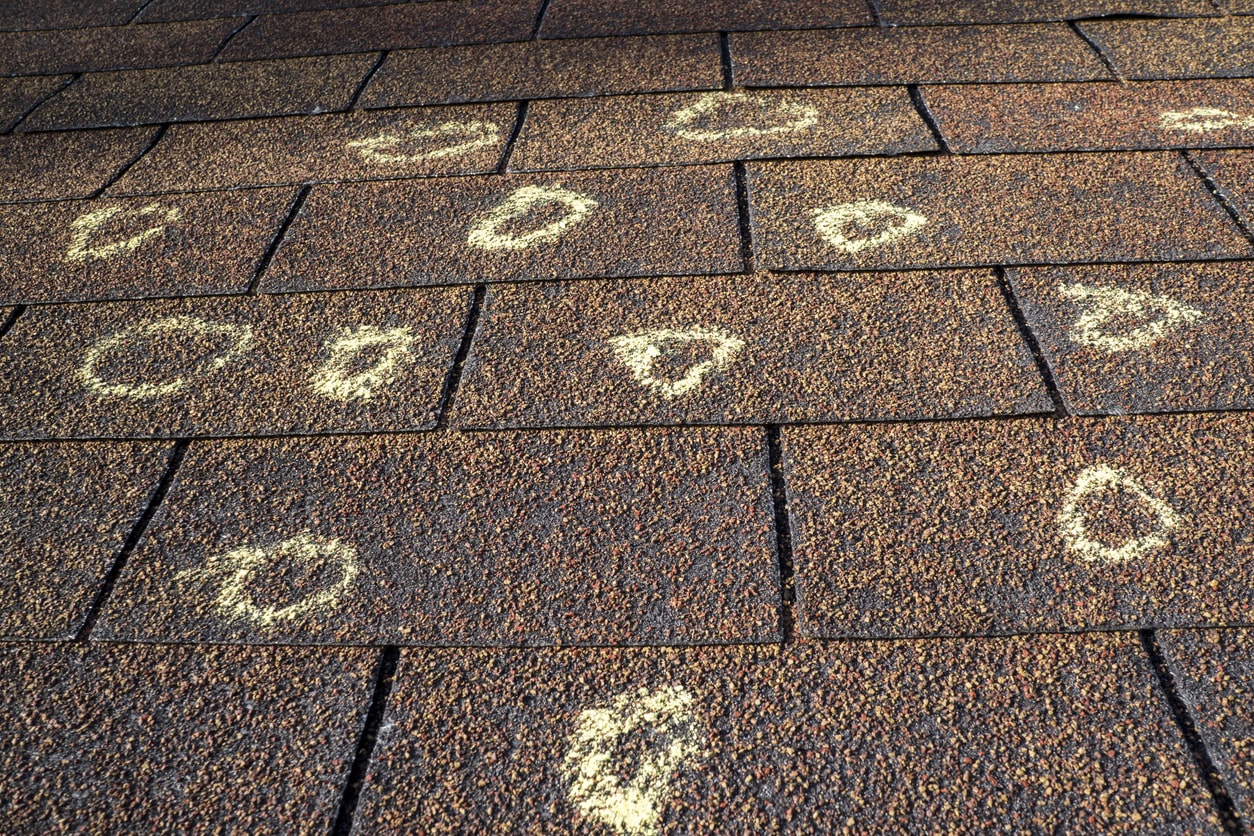
Des Moines sits in one of the most hail-active corridors in the country. Storms roll in from the west, picking up intensity over Iowa's flat terrain, and they hit hard. Hailstones an inch or larger are common here, and the region sees dozens of significant hailstorms every year during storm season, which runs from spring through late summer. That kind of repeated impact fractures shingles, strips away granules, and leaves your roof vulnerable in ways that aren't always visible from the ground. What looks like a minor storm on the outside can leave behind damage that quietly lets water in, and once that starts, the problems grow fast.

The trouble is that hail damage is easy to miss. Bruised shingles may not show obvious cracks, and granule loss can be subtle until you spot the buildup collecting at the base of your downspouts. Des Moines homeowners also deal with sharp temperature changes that put additional stress on already weakened shingles, speeding up wear that might otherwise take years. By the time you notice a ceiling stain or a soft spot, the roof has usually been compromised for a while.

That's where Kickapoo Roofing comes in. We understand how storms behave in this area and what they do to roofs over time. A thorough roof inspection after a hailstorm gives you a clear picture of what actually needs to be repaired, so you're not left guessing or waiting for the damage to get worse.

How Hail Damage Roof Repair Works in Des Moines, IA

Storm damage can leave problems that are difficult to identify from the ground, particularly around flashing, valleys, and roof gaps. A detailed inspection helps determine whether the damage calls for a targeted repair or something more extensive.

  • Step 1: Detailed Storm Damage Inspection
    Once you contact Kickapoo Roofing, we examine the surface of the roof for hail-related conditions such as bruising, granule loss, and fractured shingles. Flashing, valleys, vents, chimneys, and other areas where impacts can be less obvious receive close attention as well. This establishes a clear picture of the damage before repair recommendations are made.
  • Step 2: Findings Review and Repair Recommendation
    After the inspection, we explain what we found and how those conditions affect the roof. We identify damaged areas, distinguish them from components that remain in good condition, and discuss the level of repair appropriate for the situation. When the damage is limited, we will tell you that directly rather than recommend unnecessary work.
  • Step 3: Repair Details and Material Selection
    We provide a clear written quote outlining the repairs that need to be completed and why they are necessary. We also discuss suitable material options, including impact-resistant shingles when they make sense for the property and your priorities.
  • Step 4: Hail Damage Restoration
    Our crew repairs the affected areas based on the findings from the inspection. This may include replacing fractured shingles, resealing flashing, and restoring components where hail has compromised the roof's ability to shed water. The repair time depends on the amount and location of the damage.
  • Step 5: Completed Repair Inspection
    After the work is finished, we inspect the repaired areas and review the results with you. We explain what was addressed, answer your questions, and make sure you understand the condition of the roof before the project is closed out.

Spotting Hail Damage on Roofs in Des Moines, IA

Hail damage doesn't always make itself obvious, and that's part of what makes it so frustrating for homeowners. Knowing what to look for, both on your own and with a professional inspection, helps you catch problems before they turn into something much more expensive to fix.

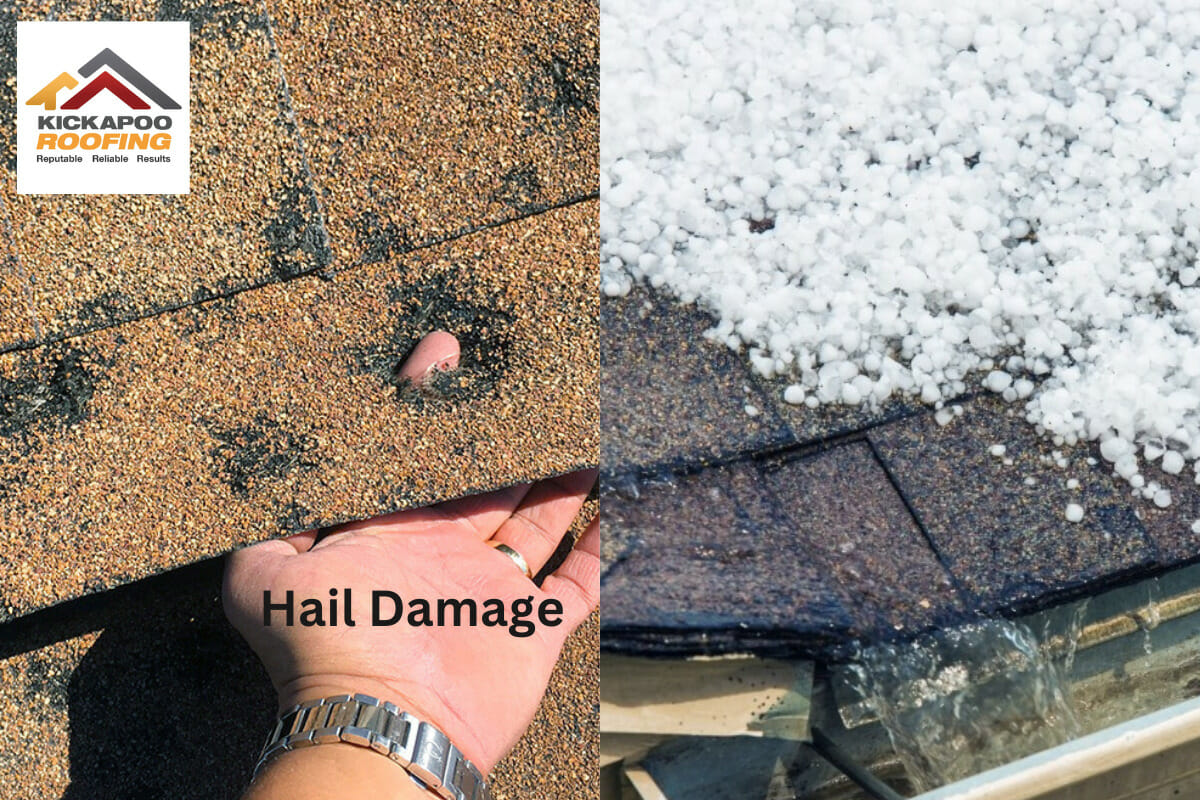
  • Granule buildup at downspouts: After a storm, check the discharge points at the base of your downspouts. A surge of granules collecting there is one of the clearest signs that shingles took a beating.
  • Dents on gutters or AC condenser panels: Soft metal surfaces like gutters and condenser fins dent easily from hail. If you see circular marks on those surfaces, your roof likely took similar hits.
  • Mat bruising on shingles: This is the damage you can't see from the ground. Hail can bruise the fiberglass mat beneath the granule surface without leaving a visible crack, weakening the shingle from the inside out.
  • Cracked or fractured shingles: Direct hits from larger hailstones can split shingles outright, leaving open paths for water to reach the roof decking below.
  • Ceiling stains or soft spots inside: Interior water stains are a late-stage sign. If you're seeing this, the roof has likely been letting water in for some time.

Getting a professional inspection within a day or 2 after any significant storm gives you accurate information while the damage is fresh and before conditions have a chance to get worse.

Shingle Replacement with Impact-Resistant Materials

When hail has fractured or bruised shingles beyond repair, we replace them with impact-resistant architectural shingles that are built to hold up better against future storms. For a home in Des Moines, where significant hailstorms happen year after year, upgrading to a more durable shingle during a repair is one of the smartest long-term decisions you can make for your roof.

Flashing Repair and Resealing

Hail loosens and lifts flashing around chimneys, vents, and valleys, which creates openings that let water in long after the storm has passed. We reseal and repair flashing as part of the repair process so those vulnerable transition points are properly protected again before the next round of severe weather hits.

Ice and Water Shield in High-Risk Zones

Along eaves and in valleys, we install ice and water shield where repairs are made to give those areas an added layer of protection against leaks. In a market where hailstorms are often followed by heavy rain, having that barrier in place makes a real difference in how well your roof holds up under the pressure.

Underlayment Inspection and Replacement

When shingles are removed during a repair, we check the underlayment beneath them for tears, saturation, or wear that hail may have contributed to over time. If it's compromised, we replace it before new shingles go down, because a solid repair starts with what's underneath, not just what you can see from the street.

Get Your Hail Damage Repaired in Des Moines, IA

Des Moines sees more than its share of hail year after year, and that kind of repeated punishment adds up over time. Catching damage early keeps a manageable repair from growing into something far more expensive, and it protects the value of your home heading into the seasons that put roofs to the test. Spring and early summer are the busiest stretch for hail activity here, so getting your roof inspected sooner rather than later puts you ahead of the problem instead of chasing it.

Kickapoo Roofing knows this market and takes hail damage repair seriously. If your roof took a hit recently, or if you just want to know where things stand, reaching out to our Des Moines team is a simple first step. We'll get on your roof, give you a straight answer about what we find, and help you decide what makes sense from there.

Frequently Asked Questions

Got questions about your roof? We’ve got answers. From maintenance tips to insurance claims and repair timelines, our FAQ section covers the most common concerns homeowners have. Get informed and make confident decisions about protecting your home.

How soon after a hailstorm do I need to get my roof looked at?

Getting an inspection within 48 hours of a significant storm is the best approach. Water can begin working its way into weakened areas quickly, and mold can take hold in less than 2 days once moisture finds a path inside. The longer you wait, the harder it becomes to separate storm damage from existing wear, which matters when you're trying to understand the full scale of what needs to be fixed.

Does hail damage the same parts of my roof every time, or does it depend on the storm?

It depends heavily on the direction the storm travels and where the wind is pushing the hail as it falls. Des Moines storms often move in from the west or northwest, which means certain roof faces tend to absorb more direct hits than others depending on your home's orientation. Hailstone size also plays a big role: smaller stones may strip granules without cracking shingles, while larger stones can split shingles outright or damage flashing and vents that smaller hail leaves untouched.

If only a small section of my roof is damaged, can you just replace those shingles without touching the rest?

In many cases, yes, targeted repairs are the right call when damage is limited to a small portion of the surface. However, if hail damage covers more than roughly 20% of your total roof area, a full replacement often makes more sense than patching, because repairing around widespread damage tends to leave vulnerabilities that show up again after the next storm. We look at the full picture first so the recommendation we give you actually holds up long-term.

Why Choose Kickapoo Roofing As Your Home Roofing Contractor?

There are many great reasons to choose Kickapoo Roofing! We install the highest quality roofing materials, provide the best on-time craftsmanship, and have years of experience in the roofing industry. However, the thing that sets us apart is customer service. Kickapoo Roofing combines honesty, integrity, and customer satisfaction in everything we do, giving our customers peace of mind.

  • Malarkey Certified Premium Contractor
  • No-Obligation Estimates
  • High-Quality Products & Service

Request A Quote

Contact Form

By submitting, you allow kickapoo Roofing to contact you by phone, email, or text for more information. You can opt-out at any time. We will never share your personal information with third parties. Standard message/data rates may apply, and your consent is not tied to making a purchase.